Introduction
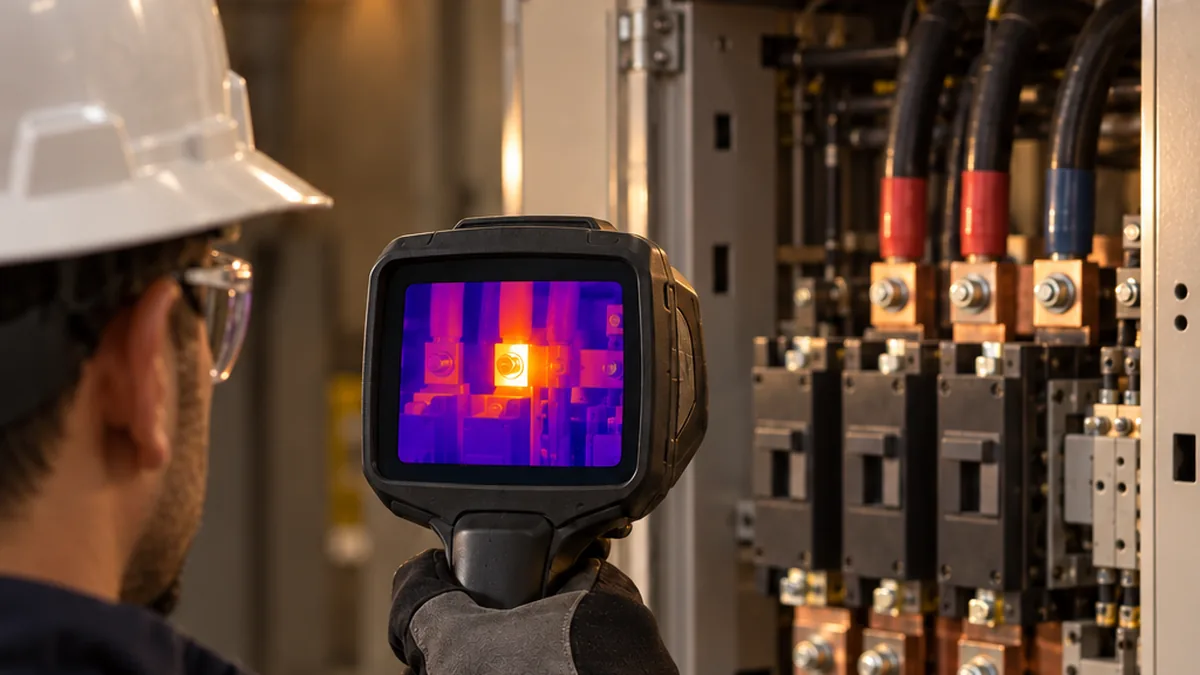
Thermography in industrial electric motors is an essential inspection technique to identify abnormal heating, anticipate failures, and improve the reliability of critical assets. In industrial plants, electric motors are directly linked to production continuity, and any relevant thermal deviation may indicate overload, inadequate ventilation, electrical defect, or associated mechanical problem.
When applied methodically, thermographic inspection of motors makes predictive maintenance more objective. Instead of depending only on perceptible failure or unexpected shutdown, the team can act based on thermal evidence, operating history, and technical priority.
Why electric motors are strong candidates for thermography
Electric motors operate under load, dissipate heat continuously, and are influenced by different variables such as ventilation, alignment, bearings, electrical condition, and power quality. This makes thermography particularly useful to observe thermal deviations in the housing, terminal box, connections, terminals, and points associated with the drive system.
In predictive maintenance programs, motors are frequent targets because small thermal changes may signal progressive degradation before equipment interruption. When monitoring is periodic, thermography helps reveal a trend rather than just an isolated event.
- Helps locate abnormal heating safely
- Allows maintenance prioritization in critical assets
- Supports complementary diagnosis with other techniques
- Reduces risk of unexpected failures
What to observe during thermographic motor inspection
A good thermographic inspection of electric motors requires context. The thermal image alone is not enough to close a diagnosis. It is necessary to consider load condition, ventilation, environment, operating frequency, failure history, and comparison with similar assets or previous campaigns.
It is also important to observe whether the heating is concentrated on one side of the motor, in the bearing region, in the terminal box, or in associated components. These patterns may indicate different origins and require technical interpretation integrated with vibration, current, visual inspection, and process condition.
Main failures that can generate abnormal heating
In practice, thermography highlights the thermal effect of ongoing failures or degradation. In electric motors, the most common signs appear when there is unfavorable electrical condition, excessive friction, poor ventilation, or continuous overload.
Frequent findings
- Operational overload
- Phase imbalance
- Heating in the terminal box
- Ventilation deficiency
- Temperature increase in the bearing region
- Connections with elevated resistance
These findings must be correlated with current, voltage, vibration, noise, and mechanical condition of the assembly. Thermography points to the thermal deviation, but the final diagnosis depends on combining inspection techniques with asset history.
Analysis criteria and severity
Prioritize findings using load, manufacturer limits, measurement quality, thermal history and equipment criticality. Record the comparison reference and the technical rationale for the proposed action. This article does not prescribe universal temperature bands or repair deadlines.
How to improve thermographic report quality
A thermography report for motors should record asset identification, inspected point, load at the time of measurement, operating context, thermal image, visual image, estimated severity, and action recommendation. The greater the standardization, the easier it is to compare inspections over time and justify intervention.
Well-structured reports also improve communication between maintenance, reliability, and operations. This is especially important when thermography supports decisions about shutdown scheduling, continuous monitoring, or complementary inspection.
Practical applications in predictive maintenance
Thermography in industrial electric motors works best when integrated into a predictive maintenance program with routine, history, and defined priority. Instead of being a punctual resource, it becomes part of a broader view of asset health.
This approach helps identify motors with heating trends, validate executed corrections, reduce unexpected failures, and optimize team allocation. In operations with many motors, the technique also helps rank criticality and plan campaigns more efficiently.
Conclusion
Thermography in industrial electric motors is a valuable tool to diagnose abnormal heating, guide predictive maintenance, and increase asset reliability. The real gain lies in combining thermal image, operating context, severity criteria, and consistent technical decision-making.
If your operation seeks to standardize inspections, strengthen reporting, and act with more predictability on critical motors, it is worth exploring how Thermal Reports can support that process.